My Crucial Catch
Today marks four years since my lifesaving double mastectomy. I’m feeling particularly sentimental and strong, but mostly I’m feeling relieved.
Anniversaries like this are strange. They remind you how far you’ve come. They also remind you how close you once were to losing everything.
Navigating cancer has been tough, but the two years leading up to my diagnosis were the most grueling.
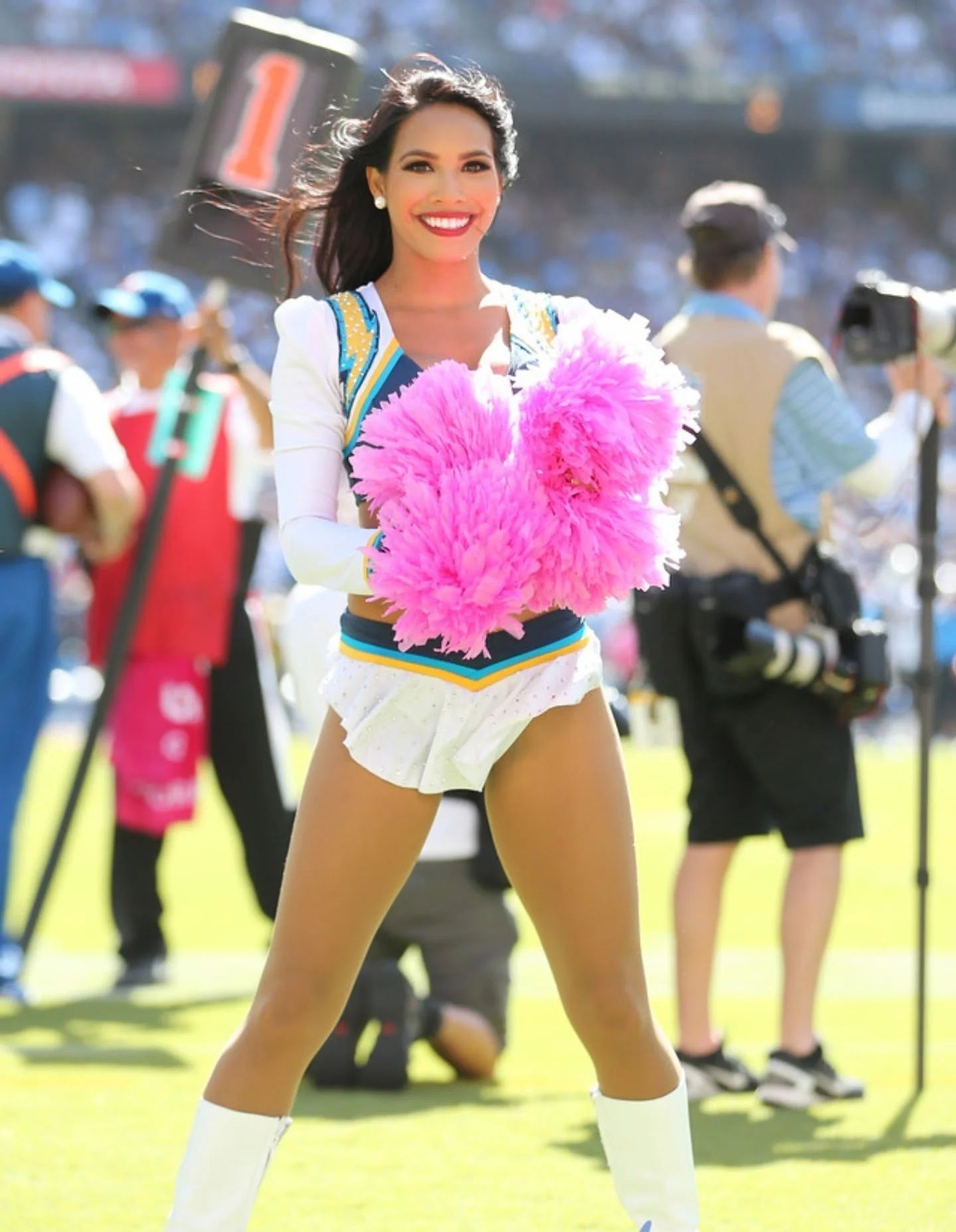
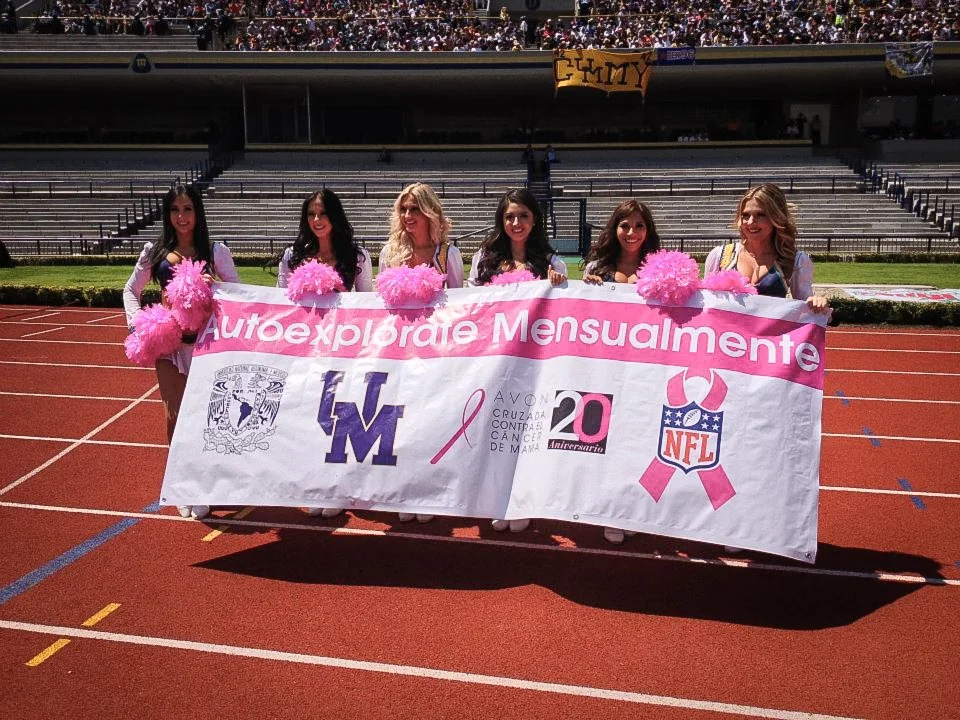
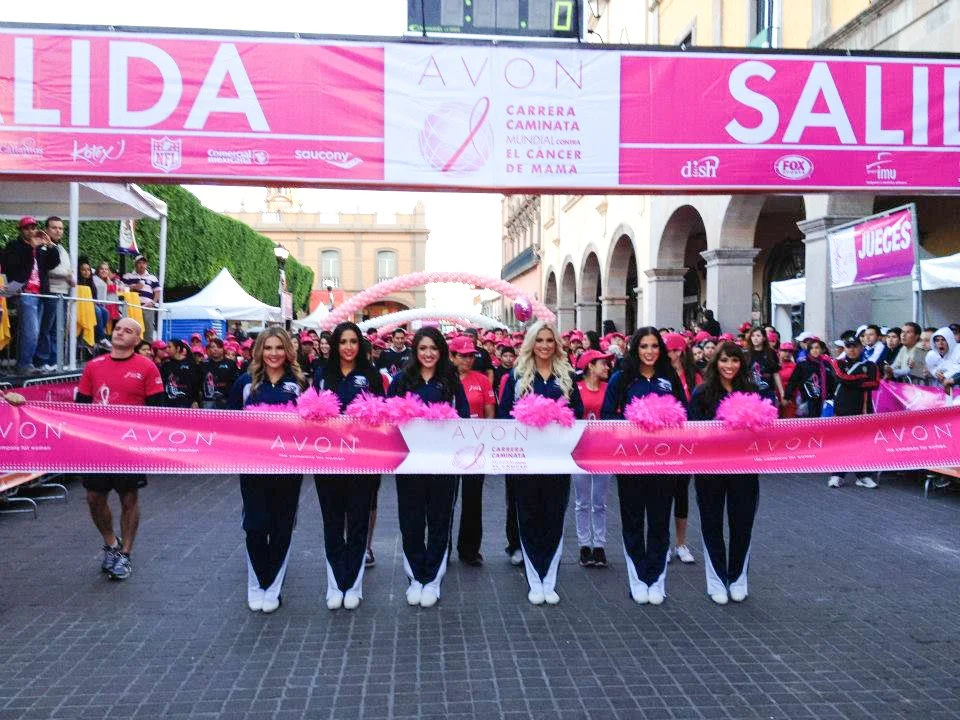
Before my diagnosis, breast cancer awareness felt like a constant hum in the background. Every October, the NFL would saturate players and us cheerleaders in pink, promoting campaigns for early detection. I was in the middle of it all, believing that paying attention would protect me. I didn’t yet know that awareness alone wasn’t enough, that the most important lesson would come from listening to my own body and fighting like hell to be heard.



Carrying a Secret Fear
Three years after my last season on the team, I found a lump in my left breast during a self-exam. I was 36. The minute I discovered it, I did what we’re told to do: I made an appointment with my doctor at Kaiser. I didn’t wait. I repeatedly advocated for my health. And still, I was dismissed.
I was told I was too young. That I just had dense breasts. That imaging didn’t warrant a biopsy yet. Over and over, I was told to wait. That I was fine. But the lump didn’t go away, and neither did the feeling that something was wrong. My body was screaming for help, and with every appointment, my faith in the system unraveled a little more.
For two years, I carried that quiet, sinking feeling: something is wrong and no one is listening. All along, that voice that rarely steers me in the wrong direction kept saying, “Hey, listen to me. Something is wrong here. Don’t let this go.” So I didn’t.
The Shift
Fast forward to early 2021. My husband, Michael—maybe sensing something in the air, or simply tired of hearing me complain about Kaiser—decided to upgrade our health insurance. The new plan would kick in that fall.
I decided to make one last push for a biopsy. That summer, I went back to Kaiser for more imaging and was met with another technician who didn’t think the lump warranted further investigation.
Then, the Monday after that appointment, I received a call from Kaiser’s Breast Clinic. The woman explained that most of the time these things turn out to be benign, but that in a small percentage of women with dense breasts, it can be something more. So I went back in, showed the nurse practitioner the lump, and begged for a biopsy. To my surprise, she agreed. The biopsy was performed in a matter of minutes and I was told I’d hear back by Monday. Tuesday at the latest.
An Email No One Should Receive
Monday came and went. Nothing. Then Tuesday. Nothing. I logged into my Kaiser portal. Nothing. I messaged my doctor. Still nothing. Thirteen days passed with no test results.
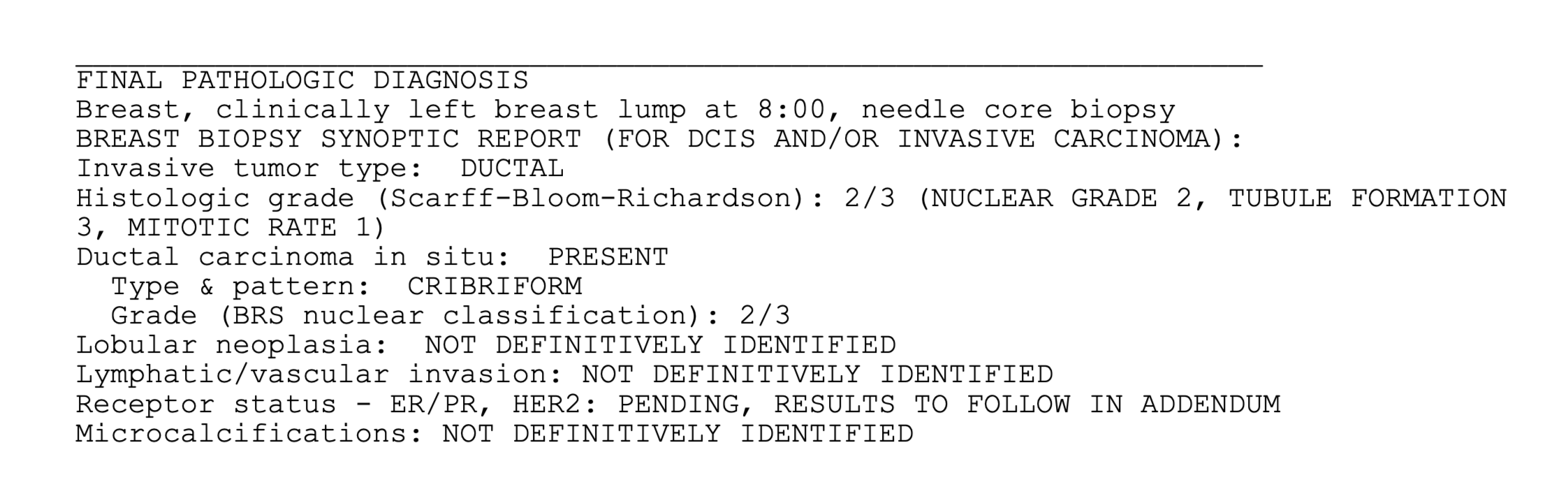
Finally, my friend Shelby reminded me to check again. I contacted Kaiser’s Records Department and asked if they could send the results directly. That’s how I found out I had cancer—by email.
My doctor never reached out. I wasn’t yet under the care of a physician at Scripps and had been left in the in-between by Kaiser. I forwarded the email to friends who worked in healthcare, and they confirmed what I already knew in my gut. Sure enough—it was breast cancer.
No Time to Spare
Michael left work immediately and spent the entire afternoon on the phone with Scripps, explaining what had happened—that we finally had a diagnosis and couldn’t afford to wait weeks just to get a referral to oncology. Scripps didn’t hesitate. In a single afternoon, they did more for me than Kaiser had in 38 years. They got me in right away for an MRI. For the first time, I felt like I had a medical team that actually wanted to help me.
From that point on, everything moved quickly. My breast surgeon, Dr. Rivera, met me with both urgency and compassion. He confirmed my diagnosis, explained what everything meant, and immediately assembled a full care team: a medical oncologist, a radiation oncologist, and a plastic surgeon. Within days, I had appointments, answers, and a plan.
He said my cancer was hormone-positive. I had both Invasive Ductal Carcinoma and DCIS. Because of this, I was no longer a candidate for a lumpectomy. There were so many surgical decisions to make.
I felt scared, angry, and validated all at once. I wondered: would I have been able to save my breast if Kaiser had taken my concerns seriously?
I also wondered how many others are out there, speaking up and asking questions, only to be told there’s nothing to worry about—only to find out too late, because our healthcare system treats early-stage advocacy like overreaction.
Double Mastectomy and Expanders
Ironically, on October 1, 2021—the first day of Breast Cancer Awareness Month—I underwent a bilateral mastectomy and had tissue expanders placed to help stretch my skin for future reconstruction. That day marked the beginning of a long, physically demanding, and deeply unglamorous chapter of my life.
In the early days after surgery, even the simplest tasks felt impossible. I couldn’t lift my arms. I couldn’t shower or wash my own hair. I couldn’t pull a shirt over my head. I couldn’t even get out of bed or onto the toilet without help. Every time I stood up, my wound vac seemed to pull my already tender chest even tighter.
My world shrank to slow movements, careful steps, and relying on others for help with things I had always taken for granted. For a while, I was completely bedridden.
The pain was constant, and each expander fill brought a new kind of discomfort. Every couple of weeks, saline was added to slowly stretch my chest and make room for implants. I understood the purpose, but knowing why it hurt didn’t make it hurt any less.
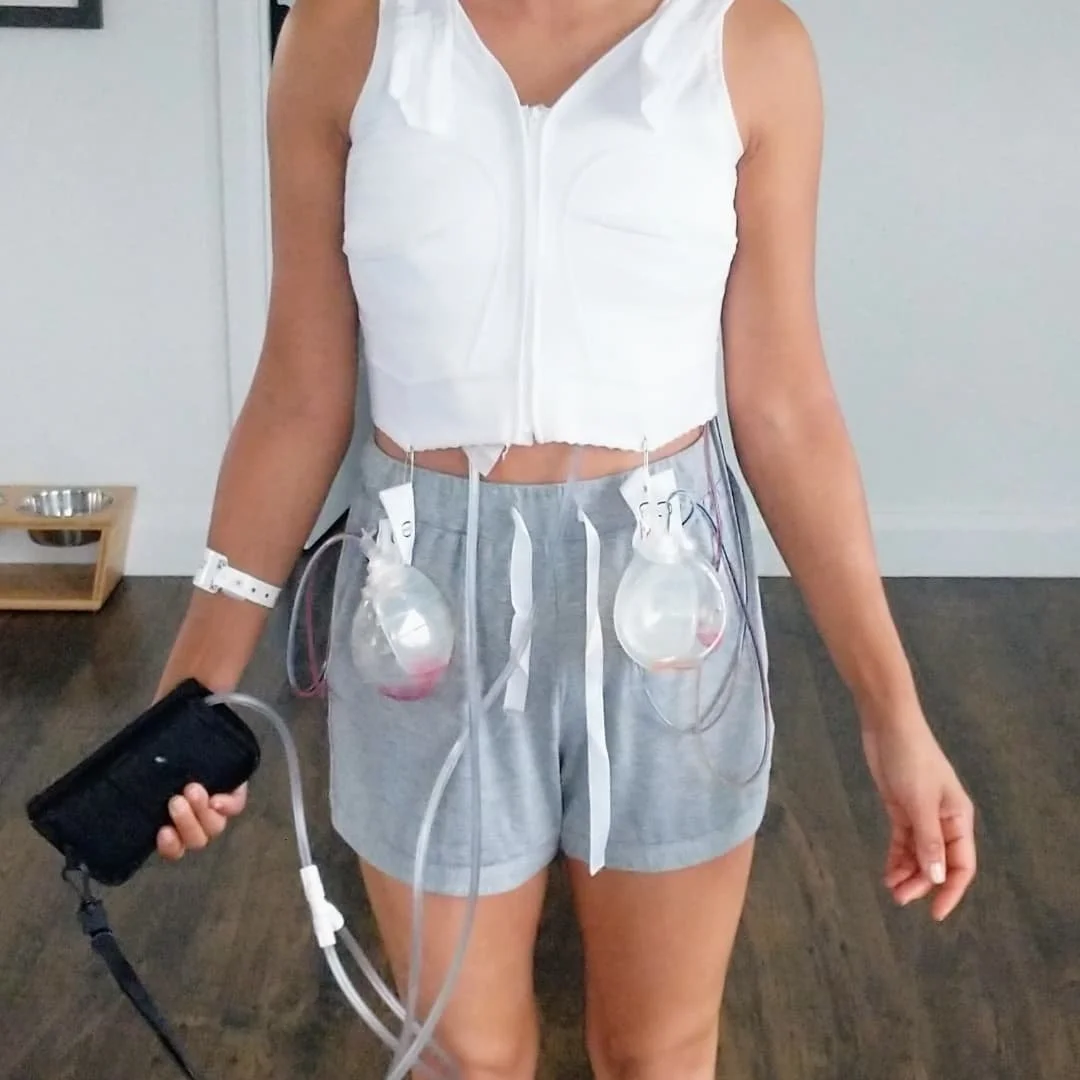
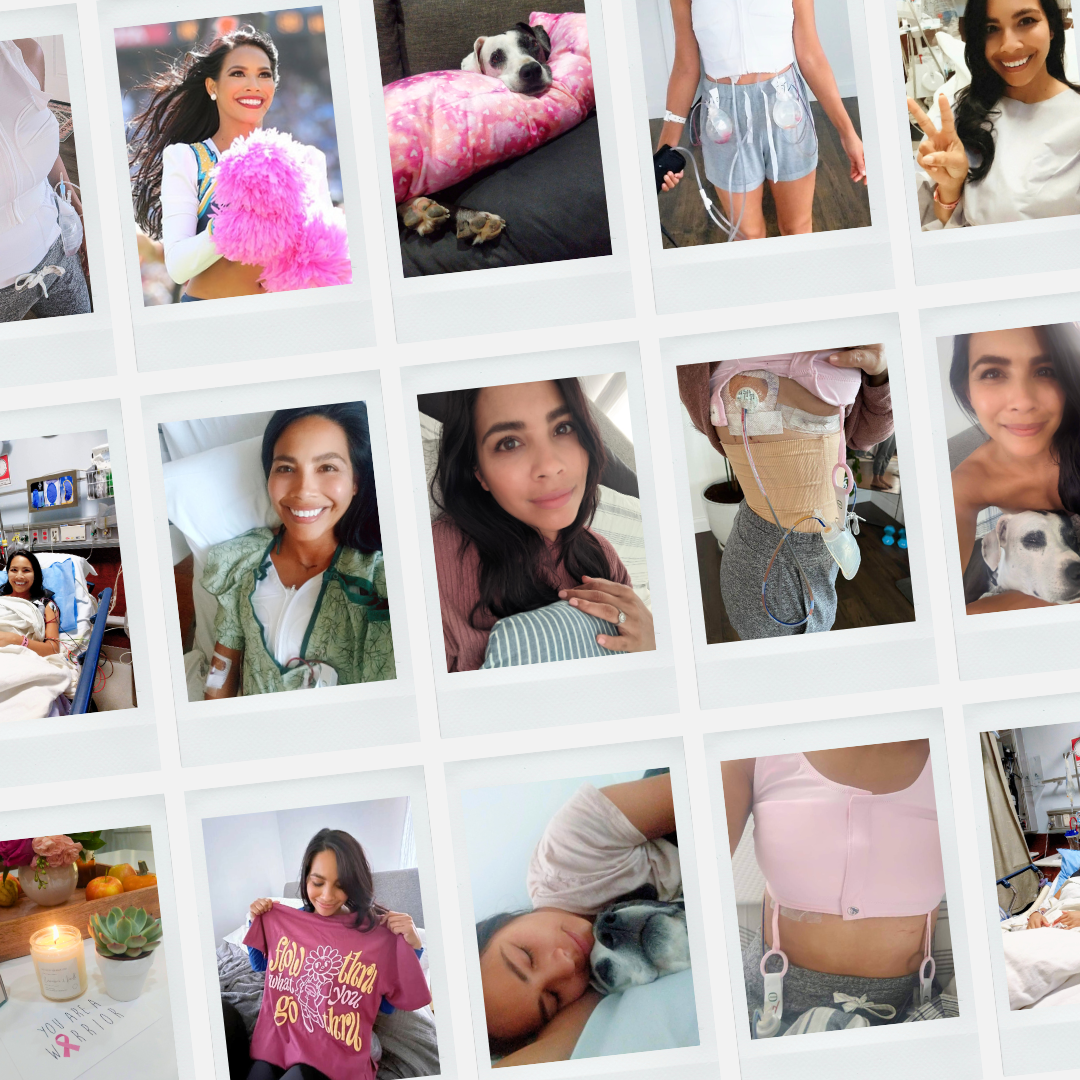
Then there were the sensations no one could really prepare me for: phantom breast pain, severed nerves, pressure, throbbing, and sudden bursts of pins and needles that seemed to come from nowhere. And the drains… I had four of them, two on each side. They dangled from my body around the clock like the world’s least fashionable accessories, collecting fluid as I healed. Michael carefully measured and emptied them several times a day. I had to sleep with them, shower with them, and constantly worry about accidentally tugging on them. They were uncomfortable, inconvenient, and impossible to forget.
Then came complications with my skin. Areas around my left nipple appeared necrotic, and for weeks we were in a constant cycle of dressing changes, wound care, and monitoring every small change.
Every glance in the mirror sent me spiraling into tears. I was deeply grateful to be alive, but I was also grieving. Grieving the loss of a part of my body, grieving the ease I once took for granted, and grieving the version of myself I no longer recognized.
The Support That Carried Me
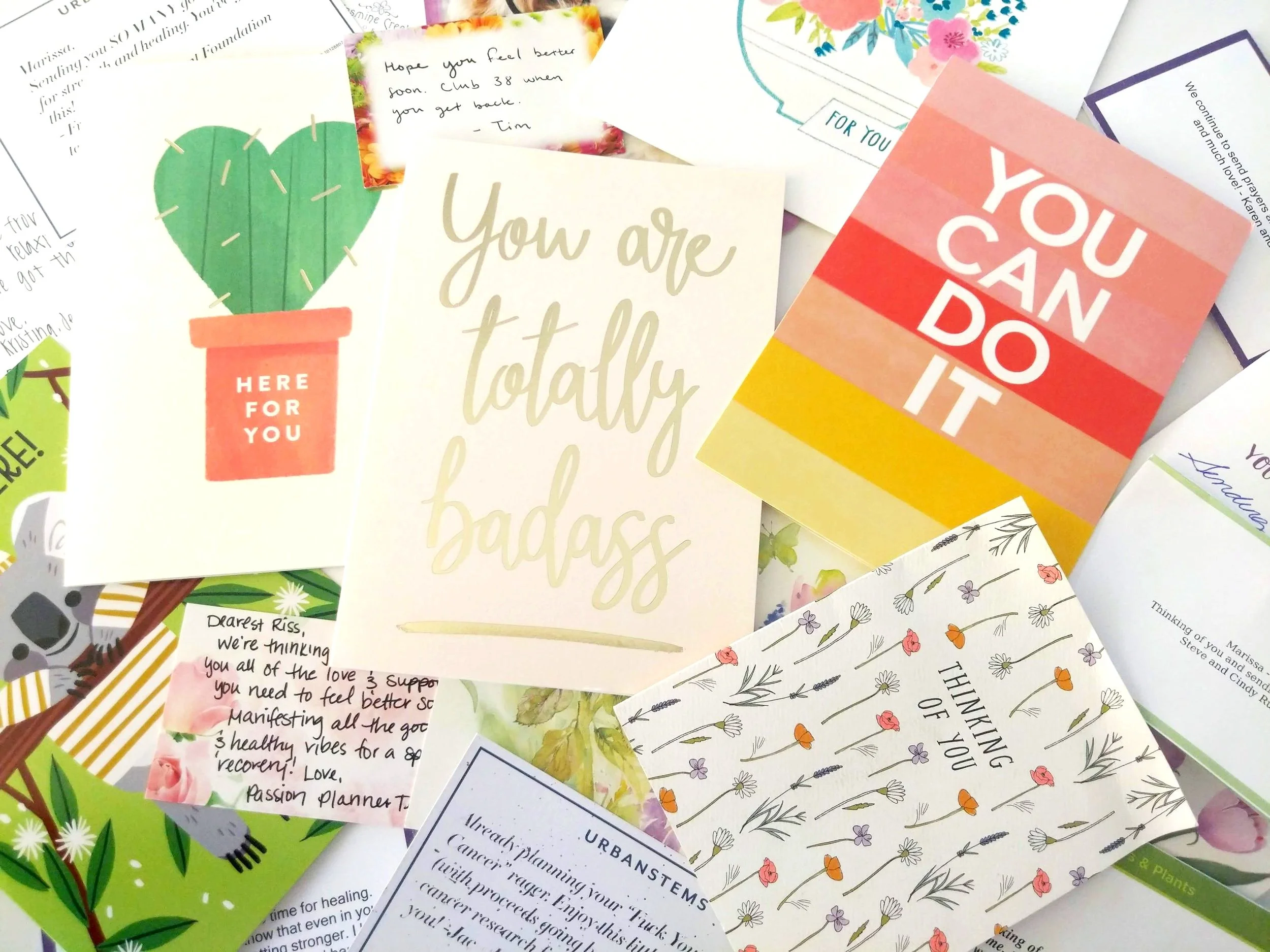
Through it all, friends and family rallied around us in ways that made the impossible feel a little more possible. Meals appeared on our doorstep. Flowers, cards, and thoughtful gifts arrived constantly. Texts, calls, and check-ins came without fail.
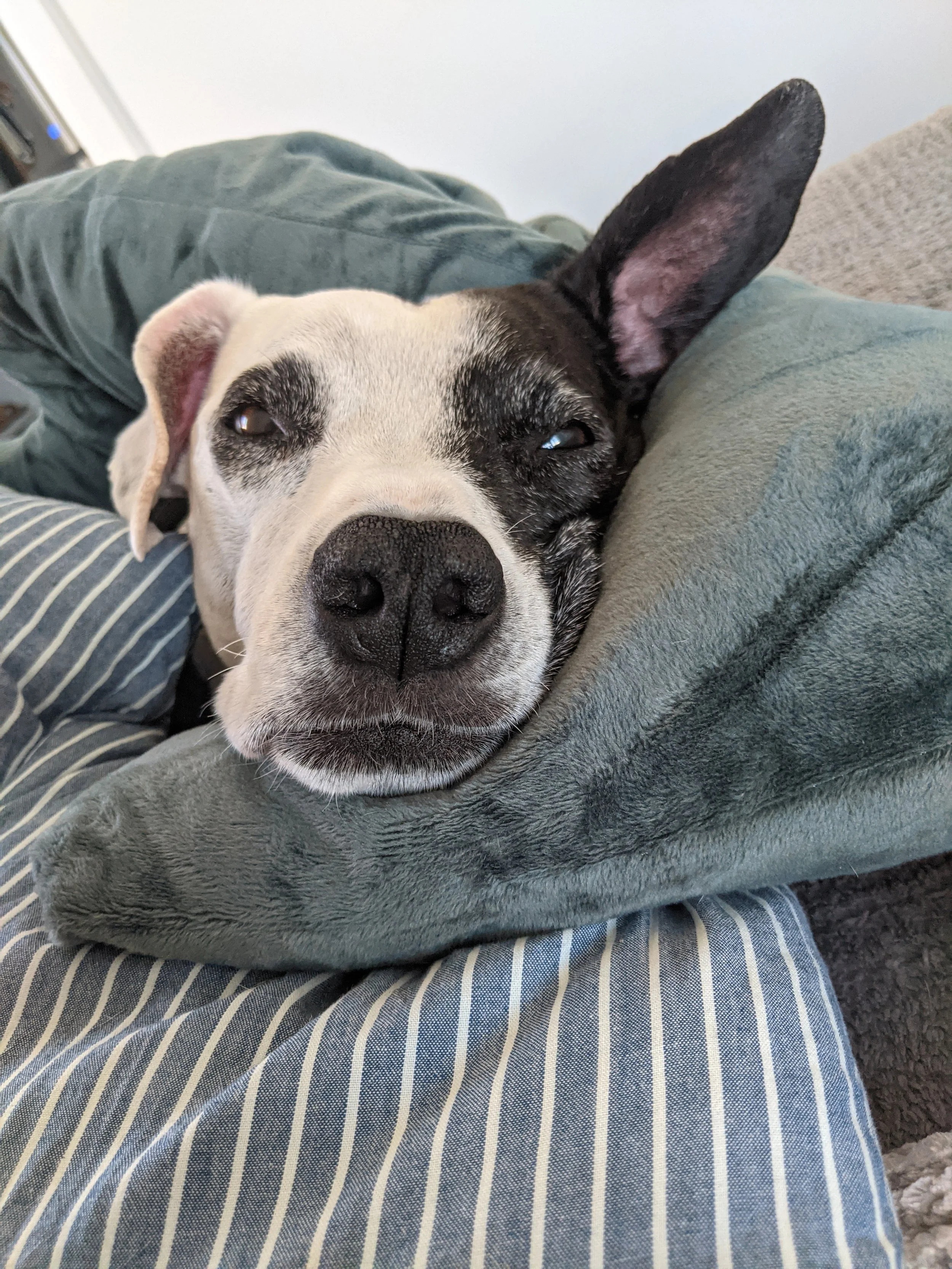
My friend Arielle and her mom sewed mastectomy pillows for me—though my dog, Maddie, immediately claimed them as her own. Lauren sent a jacket with interior pockets designed to hold surgical drains, sparing me from having to pin them to my clothes or carry them around everywhere I went. Later, when my hair began falling out after my first surgery, she sent some hair care products to help me grow it back. My line captain, Katie, hand-delivered messages from teammates from my early years on the Charger Girls. One of my closest friends, Laney, organized a meal train and compiled video messages from teammates from my final season on the team.
And those are just a few examples. There were countless acts of kindness over the months that followed, far too many to list here, but each one meant more than I can adequately express.
A Test, a Number, and a Deep Breath
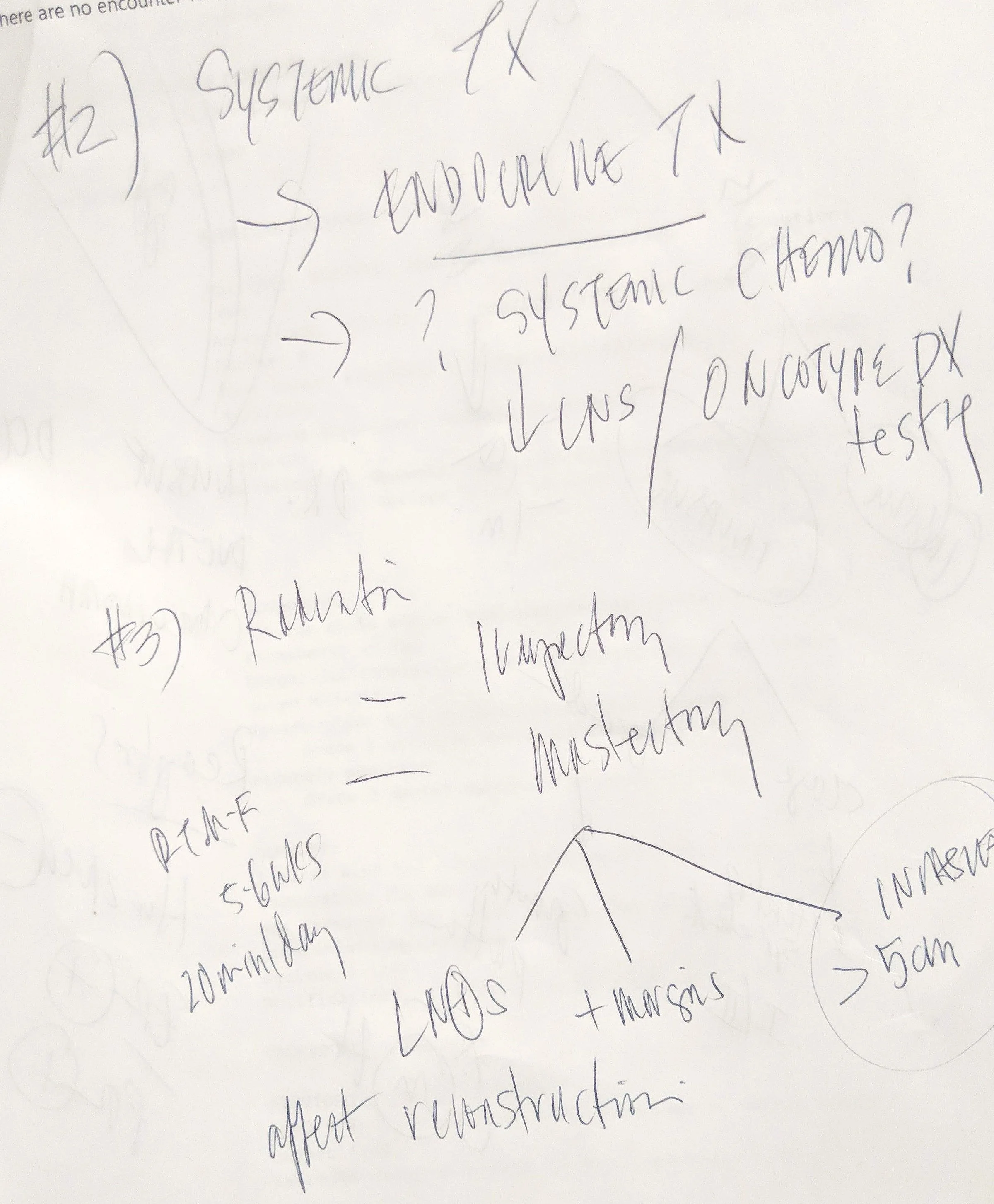
In the weeks that followed, one of the biggest questions hanging over me was whether I’d still need chemo or radiation. Most early-stage, estrogen receptor–positive, HER2-negative breast cancers are treated with hormone therapy, like Tamoxifen, after surgery to lower the chance of recurrence. Whether chemo or radiation would also be necessary was still unknown.
My oncologist ordered an Oncotype DX Breast Recurrence Test, a genetic test that helps predict whether chemo would actually make a difference. For premenopausal women with lymph node–negative breast cancer, a score of 15 or lower usually means chemo isn’t needed.
Waiting for the results felt endless. When the score came back at 13, I exhaled. No chemo. No radiation. Just Tamoxifen. Relief hit me like a wave.
The Day the Expanders Came Out
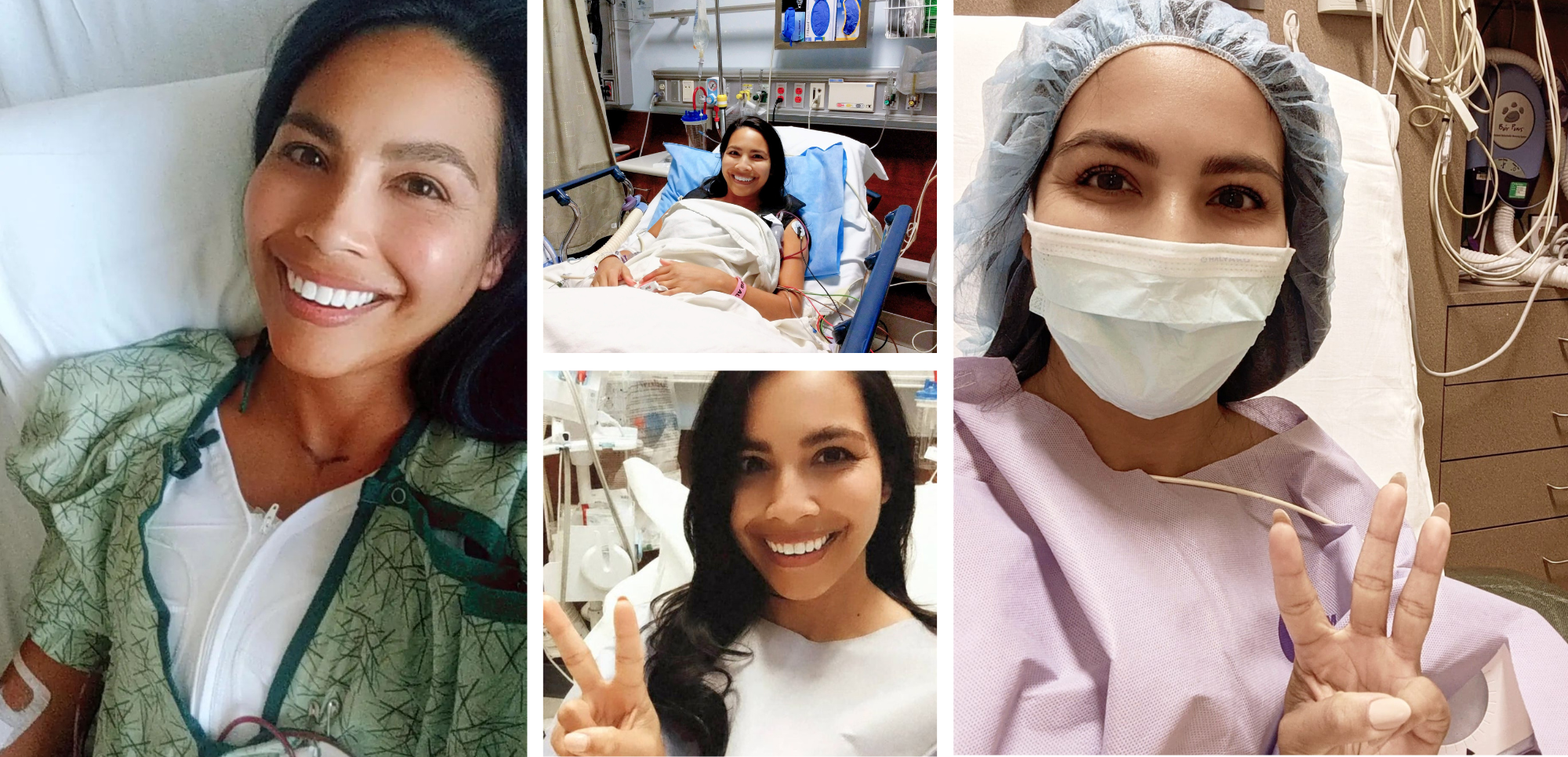
By December 2021, after several rounds of expander fills and weeks of careful stretching, my skin had finally loosened enough for the next phase. It was time for my first reconstruction: my expanders would be exchanged for implants, followed by fat grafting.
If you’ve ever had tissue expanders, you know how brutal they are. Getting them out was the first real relief I’d felt in months. For the first time in a long while, I could breathe a little easier. The tightness eased, and the constant pressure lifted. It wasn’t just physical relief—it was emotional, too. It felt like reclaiming a small piece of myself. I spent Christmas deep in my recovery.
Trying to Feel Like Myself Again
By October 2022, I went back into surgery—this time for refinement. My original implants felt too large, and I was still dealing with tightness and limited range of motion. We decided to switch to smaller implants and move them over the muscle instead of under, hoping it would ease some of the discomfort and restore a bit more function.
My plastic surgeon also performed additional fat grafting to help restore volume and contour after the mastectomy. When I woke up from surgery, my thighs were deeply bruised from the liposuction, and I felt incredibly nauseous. But beneath the discomfort, there was also a quiet sense of hope.
For the first time in a long while, I felt like I was moving toward something instead of simply recovering from what had been lost. My only thought was simple: maybe this will help me feel a little more like myself again.
Learning to Live in the In-Between
Reconstruction is often talked about like a finish line, but in so many ways, it’s only the beginning. No one really prepares you for this part. I’m still learning how to belong to a completely different body—one that looks put together from the outside but feels completely different on the inside.
I’ve lost upper body mobility, flexibility, strength, feeling, and sensation. My chest is numb, my implants are cold, and there’s rippling and lumps that feel strange and foreign because of the lack of tissue. I’ve got joint pain that makes me feel older than I am. I miss my old body. It’s a quiet kind of grief that doesn’t show up on scans or in follow-up appointments. Sometimes I stand in front of the mirror and wonder: whose body is this?
There are days I fantasize about going completely flat—removing the implants altogether and letting my body be honest instead of reconstructed. I know it’s such a personal choice, and there’s no right way to do it. I don’t know if I’ll ever make that choice, but the thought has crossed my mind more than once.
Some days I feel strong and grateful. Other days I’m still grieving the body I once had. Most days fall somewhere in between.
And I’m learning that this, too, is part of survivorship.
